Nils Braun · 23 October 2026
Integrating Feedback Mechanisms for Continuous Improvement in Standalone Web Initiatives
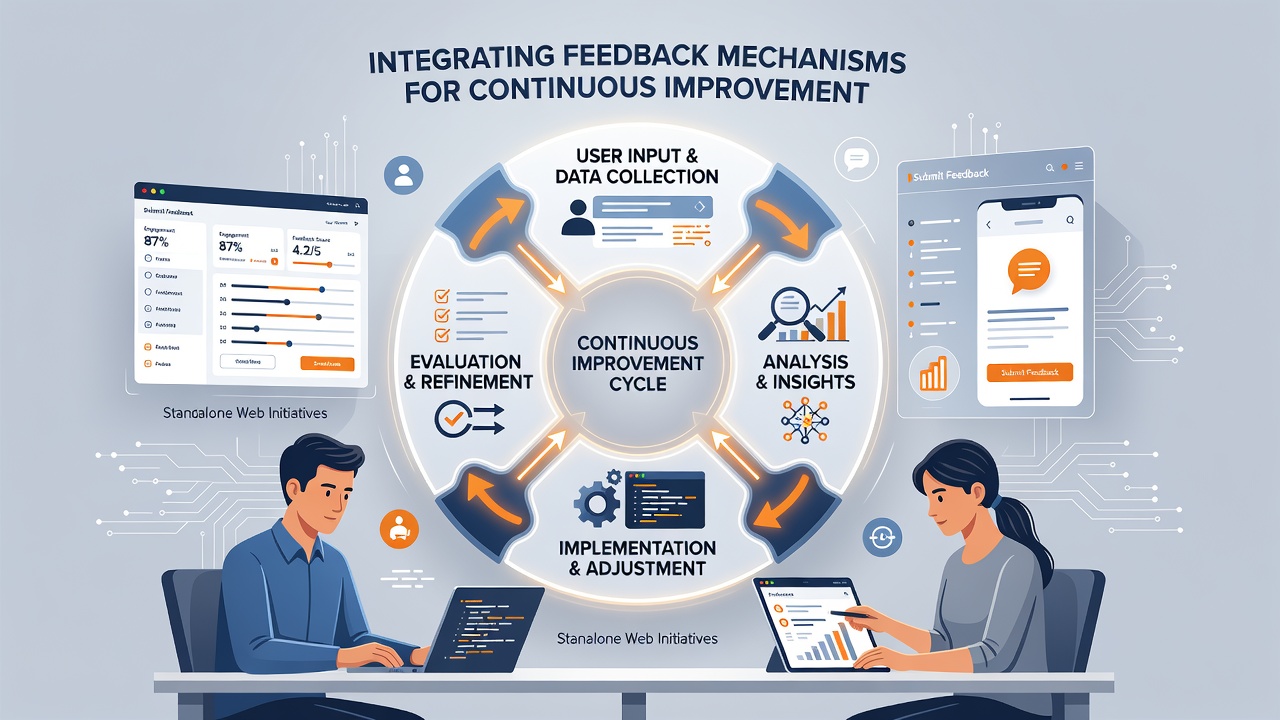
Standalone web initiatives often operate without large teams or extensive budgets, yet they still require structured ways to gather input and refine their offerings over time. Feedback mechanisms provide the data loops that allow these sites to adapt based on actual user interactions rather than assumptions alone. Researchers at institutions focused on human-computer interaction have documented how regular collection of responses leads to measurable gains in retention and task completion rates.
Common approaches include embedded surveys, heat mapping tools, and session recordings that capture navigation patterns without requiring direct user contact. These methods work together because surveys deliver qualitative insights while analytics supply quantitative trends. When combined they create a clearer picture of where visitors encounter friction or find value.
Selecting Appropriate Channels for Input Collection
People building independent sites frequently choose between on-page forms, email follow-ups, and in-app prompts depending on the audience and technical setup. Data from October 2026 shows that sites using multiple lightweight collection points achieve higher response volumes than those relying on a single method. The choice matters because overly intrusive prompts can increase bounce rates while subtle ones may go unnoticed.
Studies conducted by usability research groups indicate that timing plays a significant role in response quality. Prompts delivered after a user completes a key action tend to yield more constructive comments than those shown on initial page loads. Observers note that A/B testing different trigger points helps identify the optimal moment for each specific initiative.
Processing and Prioritizing Incoming Data
Raw feedback arrives in various formats and volumes, so teams handling standalone projects often implement simple categorization systems to sort comments by theme and urgency. Automated tagging combined with periodic manual review prevents important signals from getting lost in noise. Figures from industry reports reveal that sites applying consistent categorization see faster iteration cycles.
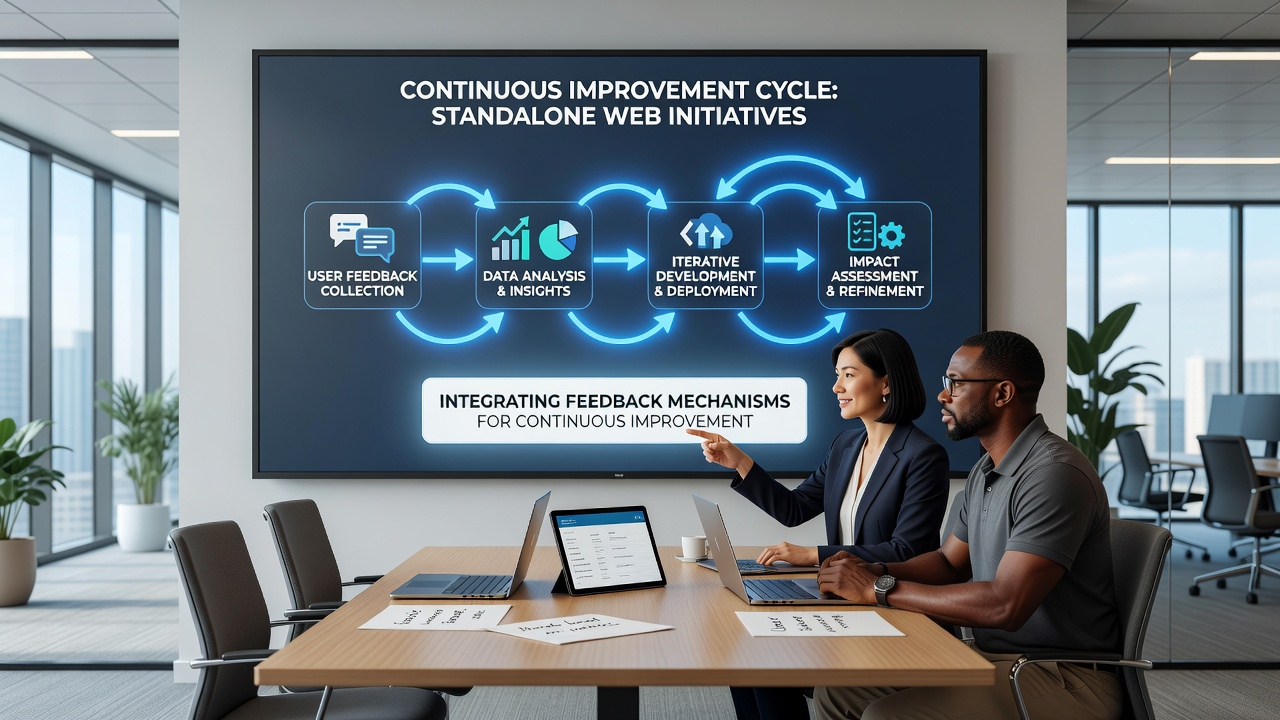
One project documented by the Nielsen Norman Group demonstrated how sorting comments into categories such as navigation issues, content gaps, and performance concerns allowed developers to address the highest-impact items first. Their analysis of multiple case studies highlighted that prioritization frameworks reduce the risk of chasing low-value changes. External benchmarks from sources like the Australian Digital Transformation Agency further support structured review processes for public-facing digital services.
Iterating Based on Patterns and Trends
Once data is organized, the next stage involves translating insights into concrete updates. Standalone initiatives benefit from small, frequent releases rather than large overhauls because they allow ongoing measurement of each adjustment's effect. Researchers have observed that incremental changes make it easier to isolate which modifications produce desired outcomes.
Those managing such sites often track key performance indicators before and after updates to confirm whether feedback-driven changes deliver results. Metrics like time on page, conversion rates, and repeat visit frequency provide objective markers of improvement. Evidence from academic papers on web usability shows that sites maintaining this measurement discipline sustain growth over multi-year periods.
Conclusion
Effective integration of feedback mechanisms supports continuous refinement without requiring extensive resources. The process relies on selecting suitable collection methods, organizing incoming information systematically, and validating changes through performance data. As web initiatives evolve, the same principles scale to accommodate growing complexity while preserving the direct connection between user input and site adjustments.