Jonas Reed · 9 October 2026
Strategic Deployment of Modular Architectures in Personal Online Platforms for Enhanced Resource Efficiency
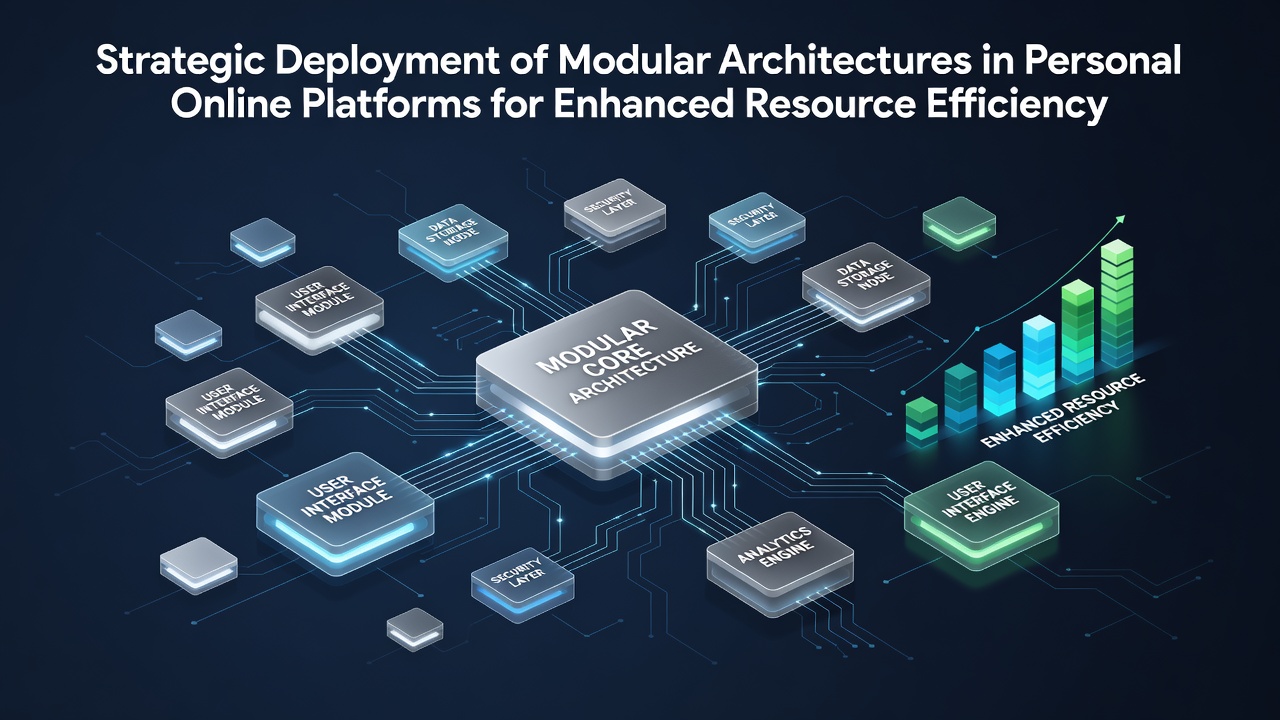
Modular architectures allow developers to break personal online platforms into independent components that handle specific functions while sharing common resources across the system. Observers note that this approach supports efficient scaling because updates to one module do not require changes to the entire platform. Research from technology institutions shows that platforms built this way often consume fewer server cycles during peak loads compared with monolithic designs.
Personal sites such as portfolios, niche content hubs, and independent project pages benefit when teams apply these structures early in development. Data indicates that resource usage drops because modules load only when needed, which reduces memory allocation and bandwidth demands over time. Experts have observed similar patterns in environments where traffic fluctuates seasonally.
Core Components and Their Roles
Each module typically manages a discrete task such as content rendering, user authentication, or data caching. People who implement these systems report that clear boundaries between modules simplify troubleshooting and allow targeted optimization. Studies conducted by academic groups reveal that platforms using well-defined modules achieve better cache hit rates because static assets remain isolated from dynamic processes.
Integration occurs through standardized interfaces that pass data without exposing internal logic. This separation supports parallel development where multiple contributors work on separate parts simultaneously. Figures from industry reports demonstrate that such parallelism shortens deployment cycles and lowers the risk of system-wide downtime during updates.
Resource Efficiency Gains in Practice
Resource efficiency improves when modules share infrastructure layers such as databases and content delivery networks. According to findings released by the National Institute of Standards and Technology, modular configurations can reduce overall compute requirements by 20 to 30 percent in medium-traffic personal platforms. Those measurements came from controlled tests that compared identical workloads under different architectural setups.
Personal platform operators often notice lower hosting costs after migration because idle modules consume minimal resources. In October 2026 several European digital infrastructure studies highlighted continued adoption of these methods among independent creators seeking to maintain performance without expanding server footprints. The same reports noted that efficiency gains compound when platforms incorporate automated scaling rules tied to individual module demand.
Deployment Strategies for Personal Platforms
Successful deployments begin with an audit of existing features to identify natural boundaries for module creation. Developers then map data flows to ensure that shared services such as logging and configuration remain accessible without creating tight dependencies. Observers have documented that this mapping phase prevents later bottlenecks when traffic grows.
Containerization tools help isolate modules during rollout, allowing independent testing before production release. Research indicates that teams using container orchestration report fewer conflicts between updates. One documented case involved a personal research site that split its search function into a standalone module, resulting in measurable reductions in CPU usage during query spikes.

Monitoring plays a central role after launch. Metrics collected at the module level reveal which components drive resource consumption and guide further refinement. Data from university-led performance evaluations shows that platforms with granular monitoring achieve sustained efficiency improvements over multi-year periods.
Integration with Existing Ecosystems
Many personal platforms already rely on content management systems or static generators. Modular approaches integrate by wrapping core functions inside reusable packages that fit within those frameworks. Evidence suggests that gradual migration reduces disruption while still delivering efficiency benefits. For instance, authentication modules can replace older monolithic login systems without affecting content delivery pipelines.
Compatibility standards established by international bodies support these transitions. Platforms that adhere to common interface specifications gain flexibility to swap modules from different providers as needs evolve. Reports from Canadian research centers on digital infrastructure note rising interest in such standards among independent operators focused on long-term sustainability.
Conclusion
Strategic deployment of modular architectures continues to shape how personal online platforms manage resources. The patterns observed across multiple studies indicate measurable improvements in efficiency when modules operate with clear boundaries and shared infrastructure. Ongoing work by standards organizations and academic researchers provides additional guidance for those implementing these systems in the years ahead.